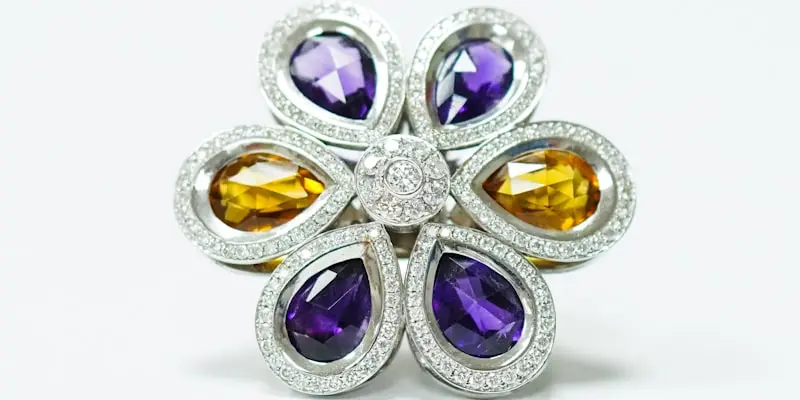
Antikvaj Juvelaĵoj Identigo: Periodoj, Stiloj & Markostampoj
Gvidilo de kolektanto al antikva juvelaĵidentigo. Kovras vidajn signalvortojn, markojn de fabrikanto, konstrumetodojn kaj periodajn trajtojn.
A collector's guide to antique jewelry identification. Covers visual cues, maker's marks, construction methods, and period characteristics.
Key Features to Look For
Identifying authentic jewelry identification requires careful examination of several diagnostic features. Start with the overall form and proportions — period pieces display construction methods and design sensibilities consistent with their era of manufacture. Each historical period left its mark on design and construction.
Examine the materials closely. Authentic antiques show age-appropriate wear patterns: genuine patina, tool marks from hand manufacturing, and subtle irregularities that machine-made reproductions lack. Look at the underside, the back, and any hidden surfaces — these areas reveal construction methods that are difficult to fake convincingly.
Marks, Signatures & Labels
Maker's marks are among the most reliable identification tools. Jewelry Identification often bear stamps, incised marks, paper labels, or painted insignia that identify the manufacturer, date of production, and sometimes the specific craftsperson. Familiarize yourself with the mark systems used by major makers in this category.
Be aware that marks can be forged. Compare any marks you find against reference databases and look for consistency — the mark should show age-appropriate wear and be applied using methods consistent with the claimed period. A crisp, sharp mark on a supposedly 200-year-old piece is a red flag.
Dating & Attribution
Dating jewelry identification involves cross-referencing multiple clues: construction techniques, materials, design style, marks, and provenance documentation. No single factor is conclusive — confident attribution requires consistency across all indicators.
Construction methods evolved over time and provide reliable dating evidence. Hand-cut joinery, hand-blown glass, hand-painted decoration, and hand-forged hardware all leave telltale signatures that differ from machine-made equivalents. Learning to read these signatures is essential for any serious collector.
Common Confusions & Reproductions
Many categories of jewelry identification have been reproduced extensively. Some reproductions are honest tributes; others are deliberate fakes. The most commonly encountered reproductions in this category date from the late 19th century revival movements and from the mid-20th century decorator market.
An AI-powered appraisal tool can help you quickly compare your piece against known examples, flagging potential identification issues before you commit to a purchase.
Get a Free Appraisal
Curious about what your antiques are worth? Our AI-powered appraisal tool identifies items, estimates values, and provides detailed reports from a quick photo. Try it free and discover the hidden value in your collection.